High-Impact Style Matching in 2024 Success
Transform Your Home: Vital Details On Residential Improvement Projects for Every Homeowner
Residents commonly search for ways to improve their homes through home improvement projects. Such undertakings may vary from small kitchen fixes to entire residential overhauls. Being aware of the possibilities is essential for making sound choices. Furthermore, there exist tangible aspects including financial planning and choosing the right builder. As householders start this endeavor, they may run into unforeseen difficulties. The secret to a great renovation lies in thorough design and execution. Which actions should follow?
Knowing the Various Categories of House Improvement Projects
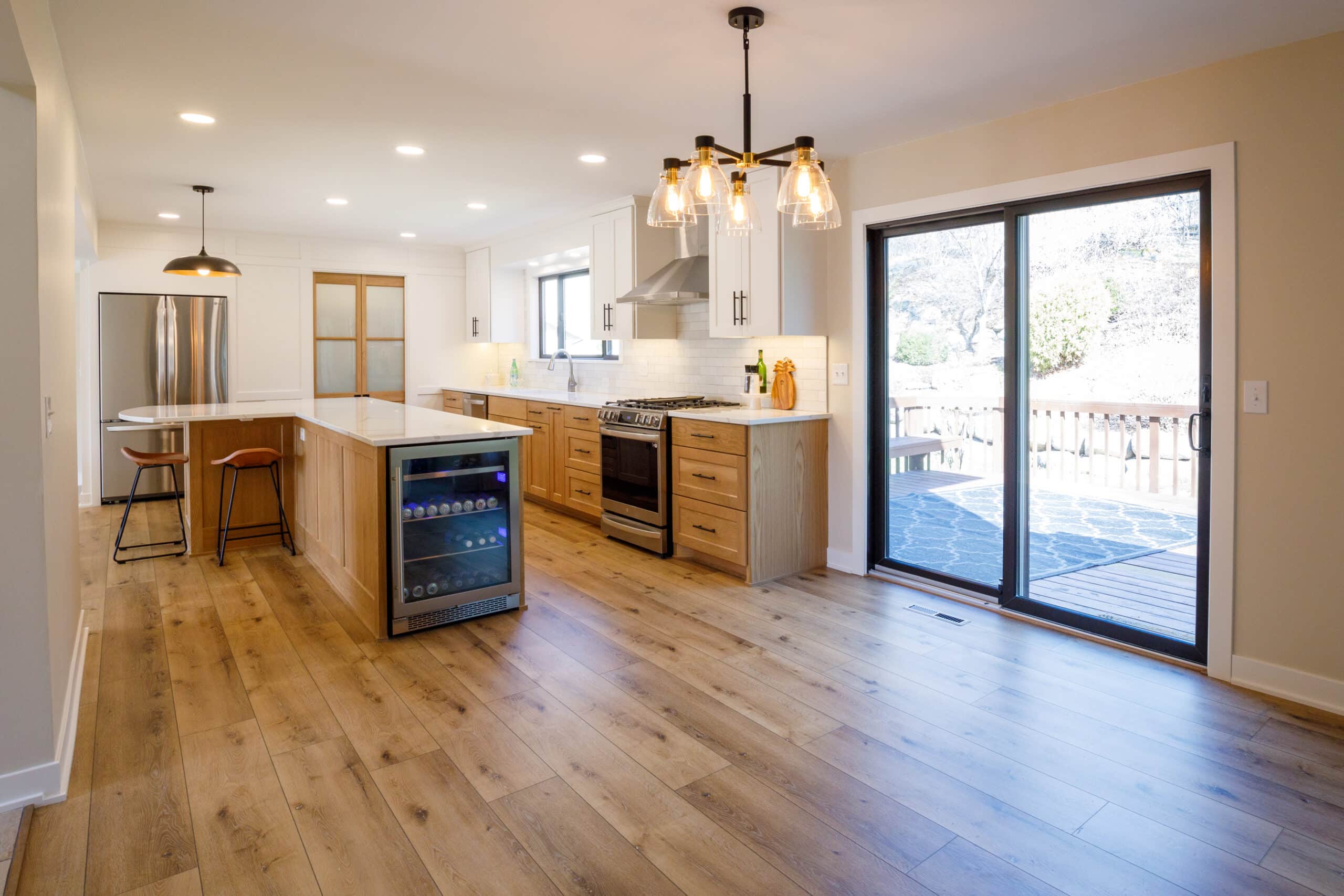
When property owners think about upgrading their living spaces, they often encounter numerous renovation options suited to various requirements and preferences. These projects are generally grouped into a few distinct groups, each focusing on particular areas of home improvement. Kitchen renovations center on updating appliances, the cabinets, and layouts to enhance functionality and the look. Renovating the bathroom usually includes improving the fittings, tiles, and organizational units for better convenience and style.
Full-house renovation covers significant changes throughout the residence, often including structural alterations to optimize space and movement. Exterior remodeling services, on the other hand, concentrate on enhancing the home's outward appearance, dealing with the cladding, the roof, and landscaping. Furthermore, specific options like basement finishing and upgrading the attic help residents make the most of underutilized spaces. Every renovation category delivers specific perks, letting residents pick services that fit their desired outcome for their home life. Knowing these variations is essential when making informed decisions throughout the remodeling project.
Establishing a Practical Spending Plan for Your Home Improvement Work
How can homeowners guarantee their home upgrades are kept financially viable? Developing an achievable budget is necessary. Homeowners should begin by evaluating their financial capacity, like savings and available loan choices. This first stage allows one to figure out how much can be allocated for the updating project while maintaining other fiscal obligations.
Afterward, those undertaking the remodel should investigate the expenses linked to their planned updates, including materials, labor, and surprise expenses that tend to crop up. Making an exhaustive list of needs helps with distinguishing essentials from desirable features, enabling modifications if the finances are strained.
It is prudent to set aside an emergency fund, generally 10-20% of the entire budget, to account for surprise expenditures. Regularly reviewing and adjusting the budget during the renovation project can further assist in keeping finances in check. Ultimately, a well-planned budget ensures the project is feasible but also improves the entire renovation process for homeowners.
Finding the Best Contractor for Your Requirements.
Selecting the right contractor can significantly affect how well a renovation turns out. It is recommended that homeowners start by conducting thorough research, looking for suggestions from acquaintances, relatives, or web feedback. It is crucial to check qualifications, including licenses, insurance, and bonding, to verify their standing.
Once potential contractors are identified, homeowners should request detailed estimates and timelines, making it possible to compare options knowledgeably. Discussions reveal their approach to dialogue and their level of expertise, which are essential for a collaborative process.
Furthermore, examining previous work via portfolios or referrals shows the builder's standard of work. Property owners must also ask about guarantees or assurances, reflecting the contractor's confidence in their work.
Finally, picking a builder whose approach fits the property owner's ideas, cost plan, and timeframe fosters a more positive remodeling experience, ensuring the work fulfills requirements and successfully updates the home's interior.
Planning and Designing Your Ideal Space.
As those renovating imagine their desired rooms, meticulous organization and deliberate design become essential components of a successful remodeling project. The beginning stage requires reviewing existing necessities and future desires, to gain a complete comprehension of the area's utility. It is important for homeowners to weigh practicality, aesthetics, and their individual taste, ensuring that the design reflects their unique preferences.
Next, creating a detailed budget is vital. This budget should accommodate materials, labor, and potential unforeseen expenses. Consulting with design experts can provide valuable insights, helping to optimize the space while sticking to budgetary constraints.
Including features such as ample daylight, spacious designs, and eco-friendly supplies can improve the final result. In conclusion, visualizing the project through sketches or digital renderings can help perfect concepts before starting the work. When handling the initial design phase deliberately, homeowners can create an inviting, efficient space customized for their needs.
Understanding Regulations and Permits in Residential Projects
Understanding the complexities of permits and regulations can be challenging for homeowners starting on a remodeling project. Every city or county maintains distinct regulations that govern what can be done during renovations, typically guided by zoning laws, building codes, and safety standards. Owners need to acquaint themselves with local regulations to prevent expensive penalties or construction hold-ups.
Typically, obtaining permits is crucial for major changes, such as modifying load-bearing elements or electrical work. This process frequently requires submitting blueprints for approval and could involve check-ups at different phases.
Engaging a knowledgeable contractor can simplify this process, as supporting information they are often familiar with local codes and can aid in filing necessary forms. Homeowners should also keep communication open with the city's regulatory body to verify legality throughout the project. By comprehending and working within these rules, homeowners can meet their renovation objectives while guaranteeing that the work is safe and legal in their renovations.
Common Queries
How Much Time is Needed for a Typical Remodeling Job?
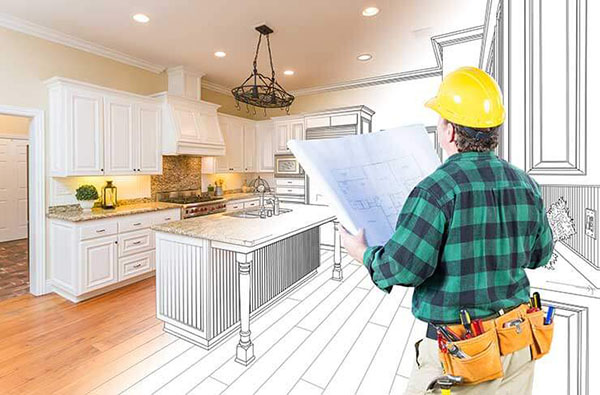
A typical home remodeling project usually takes three to six months on average, depending on the scope of work, size of the home, and material lead times. Intricate jobs could demand more time for completion.
What are the typical errors to avoid when renovating?
Frequent errors in the remodeling process include underestimating budgets, ignoring necessary permits, not adhering to the project schedule, poor communication with contractors, and not considering long-term functionality. Awareness of these pitfalls helps ensure a smoother, more successful renovation project.
How should I go about choosing the right materials for my renovation?
Selecting appropriate supplies involves evaluating their resilience, aesthetics, and financial limits. Investigating available choices, consulting professionals, and thinking about upkeep are vital steps in reaching educated conclusions, ensuring the project aligns your needs and preferences.
Is it possible to stay in my house during renovations?
It is possible to remain on the premises during renovations, but it may lead to inconvenience. Careful planning, effective coordination with the renovation team, and setting aside certain zones for essential activities can help minimize disruption throughout the project.
What guarantees should I look for by my builders?
Homeowners should expect warranties that guarantee the quality of the work, materials, and key building elements, typically ranging from one to ten years. It is essential to examine the fine print and details in partnership with the renovation company to know the full extent of the guarantee and its restrictions.